A roadmap
The most valuable opportunities across all three horizons.
We work with marketing, communications and sales teams to turn their strongest AI opportunities into prototypes that hold up in the real workflow.
Drafting got cheap. Reach, response and pipeline did not move with it.
More tools. More systems added to the work, with no agreement on where they sit in the process. Each person has their own way in, which means the team has none.
More experiments. More pilots without ownership. Something works for one person, but the team's way of working does not change.
More output. More content, not always more value. Volume rose because drafting got cheap, and review absorbed the time that drafting saved.
And the hours that did come back went nowhere, because nobody decided in advance what they were for.
The question is which work should change, and who owns the value it frees.
We embed in the Brand & MarCom team, find where AI can create the most value, and turn the strongest opportunities into 4–6 working prototypes.
We map the work the team actually repeats: briefs, drafts, reviews, reporting, hand-offs to sales. Then we rank it by value, friction and feasibility. The shortlist is built from your work, not from a category benchmark.
Four to six, chosen with the team and spread across the three horizons: better work today, a redesigned process, and something new the brand could sell or offer. Small enough to build, real enough to judge.
Each prototype is built on real people, real data and real workflows, and measured on quality, time, capacity, customer value or job satisfaction. Evidence that shows up in the work itself.
We run the first cycle together and hand over what works with a named owner. The measure we hold ourselves to is how much your team ships without us.
People can use and own it, the business value is visible, and the technology is ready for the next step.
The most valuable opportunities across all three horizons.
Built with real people, data and workflows.
Evidence across quality, time, capacity, customer value or job satisfaction.
The next opportunities, ready for another cycle.
Stop, improve, or scale.
Faster does not automatically mean more valuable. So we build, test and measure. Then we decide. That is why this is a cycle: to turn AI potential into better decisions.
McKinsey, The state of AI in 2026, 25 August 2026.
These are examples. Your prototypes will come from your team's own work and priorities.
One asset becomes a series, on brand, without the work.
A writing tool that applies your tone-of-voice rules before review.
Every interview, survey and ticket, readable at a glance.
Sharp proposals built on company, brand and competitor information.
What worked, why, and what to do next week.
Watch how AI models perceive your brand and your competition.
For twenty years, search meant competing for a place in a list of links. An AI answer compresses that list into a short recommendation. Your brand is in it, absent from it, or described wrongly in it.
When a buyer asks an AI model who to hire, what to buy or which supplier to trust, the answer is assembled from what it can find and interpret about your brand, including sources that are stale or contradict each other. Most brands have never checked what that answer says.
What we will not promise: that a model will cite you. Nobody can, and the mechanics change every quarter. What we can do is make your brand easier for models to identify and understand, keep your facts current, answer the questions your buyers ask, and measure the difference over time.
Better work today is adoption. The process around it is redesign. And a brand that can offer something it could not offer before is a new business model.
The five that come up before anyone talks about scope.
Drafting got cheap, and that is where most teams stop. Reach, response and pipeline did not move with it. We do not add another tool to write faster: we find where AI changes what the work produces, build it, and measure whether it landed.
It is not the only way in. A scan finds and ranks the opportunities before anyone commits a cycle. A challenge puts people and AI on one real brief. A sprint builds a single prototype. Each ends in a decision, not a proposal for the next step.
Yours, with us in the room. We embed in the team for the cycle and build on real people, data and workflows. What stays behind is a capability your team can use and own.
We map the work the team actually repeats—briefs, drafts, reviews, reporting, hand-offs to sales—and rank it by value, friction and feasibility. The shortlist comes from your work. Four to six become prototypes, chosen with the team.
No, and nobody can: the mechanics change every quarter. What we can do is make your brand easier for models to identify and understand, keep your facts current, answer the questions your buyers ask, and re-run the same prompt set monthly so movement is visible.
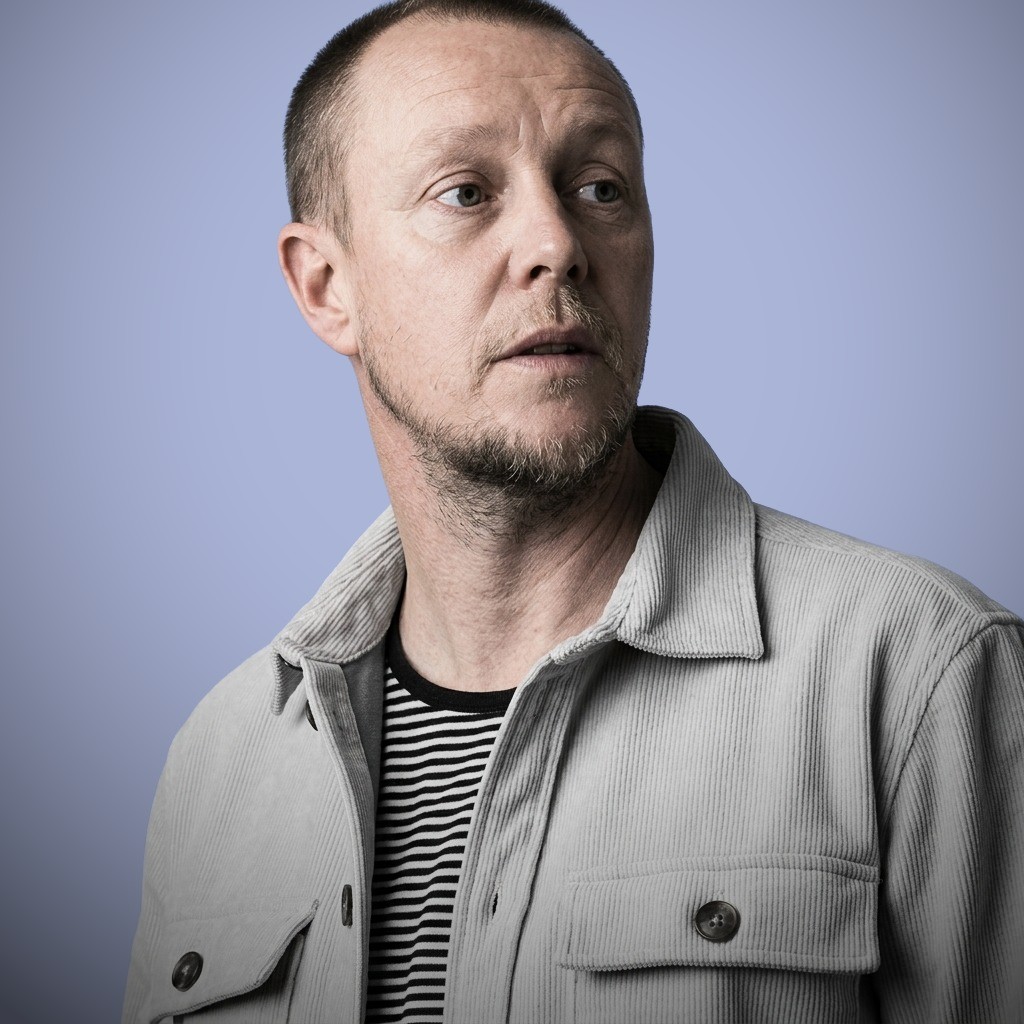
Brand & MarCom
He brings ideas to life with marketing, communications and sales teams. He combines strategy, creation and rapid prototyping to develop workflows, tools and content that would not have been possible before.
Over the last 24 months, he has worked with 16 teams on 36 prototypes.
Mathijs worked with the Marketing & Communications team of a leading accountancy firm to explore AI opportunities. AI came alive when we started making choices. We prioritised the strongest opportunities and turned five into active pilots and demos, moving AI from possibility to daily practice.
An idea. A question. A workflow. A challenge. Twelve weeks is not the only way in, and the smallest step still ends in a decision.
Find and prioritise the opportunities with the greatest potential, before committing a cycle to any of them.
Teams that suspect there is value here but cannot yet say where.
Put people and AI to work on one real brand or customer challenge, and see what the pairing produces.
Teams that learn by doing rather than by deciding first.
Build one promising opportunity and test it in practice, with the people who would use it.
Teams with one idea they already believe in and want tested.
We embed in the team, find where AI can create the most value, and turn the strongest opportunities into 4–6 working prototypes.
Teams ready to move from experiments to a capability that stays.
Tell us which piece of work your team repeats most, and what you would do with the capacity if it came back. Some of what lands on this page turns out to be a process problem, not a marketing one, and that is worth finding out in an hour.